
Agroforestry
Planting fruit, timber, and medicinal trees on active farm plots.
Integrating trees with farming creates positive ecological interactions that improve land resilience, increase productivity, and boost biodiversity. This time-tested approach is being rediscovered today to address resource conservation and habitat restoration. By blending agriculture with forestry, it stands as a powerful, practical solution that benefits crops, people, and the planet.
Krushi Bharath Foundation works with local implementation partners, farmers, and communities to cultivate tree species native to Karnataka’s diverse agro-climatic zones. These include fruit-bearing, timber, and medicinal trees that support both ecological restoration and sustainable rural livelihoods.
Through its RRR-focused (Restoration, Revegetation & Regeneration) initiatives across multiple Indian states, Krushi Bharath Foundation collaborates with communities to plant and monitor diverse tree species such as Cashew, Guava, Pomegranate, Mango, Moringa, Sandalwood, Sweet Lime, Sweet Orange, Tamarind, and Teak. These efforts help restore degraded landscapes, improve biodiversity, strengthen soil health, and create long-term environmental and economic benefits for local communities.
As a response to climate and resource challenges, agroforestry rediscovers the ancient wisdom of growing trees, crops, and animals together. This climate-resilient approach protects soil, recharges water, and secures livelihoods. Ultimately, it bridges the gap between traditional land stewardship and future environmental restoration.


Growing fodder trees and native grasses on dry community grazing lands.
Integrating livestock, forage production, and forestry on the same land parcel. It offers multiple benefits to livestock, including shade, increased feed sources and decreased reliance on hay, increased farm revenue from added crops (fruits and nuts). It increases animal average daily gains, improved animal health, carbon sequestration, and better wildlife habitat.
Silvopasture
Sathyam Shivam Sundarm: Sacred Vana developed @ Bylakuppe Tibetan Monastery
Sacred gardens are an ancient tradition in our culture. They are a place for meditation, spiritual awakening and celebration. Scriptures and books like Ramayana, Mahabharatha, Abijnana Shakuntalam, Mrichchakatika etc. give detailed description of gardens with flowerbeds, lotus ponds, fruiting trees, creepers and shady spaces. Infact, gardens are a symbol of paradise in philosophy and art.
Types of sacred gardens:
-
Nakshatra Vana
-
Shivapanchayatha Vana
-
Saraswathi Vana
-
Navagraha Vana
-
Saptharshi Vana
-
Panchavati Vana
-
Vinayaka Vana
-
Ashoka Vana
-
Raashi Vana
-
Nandana Vana
-
Narayana Vana
Sacred Gardens
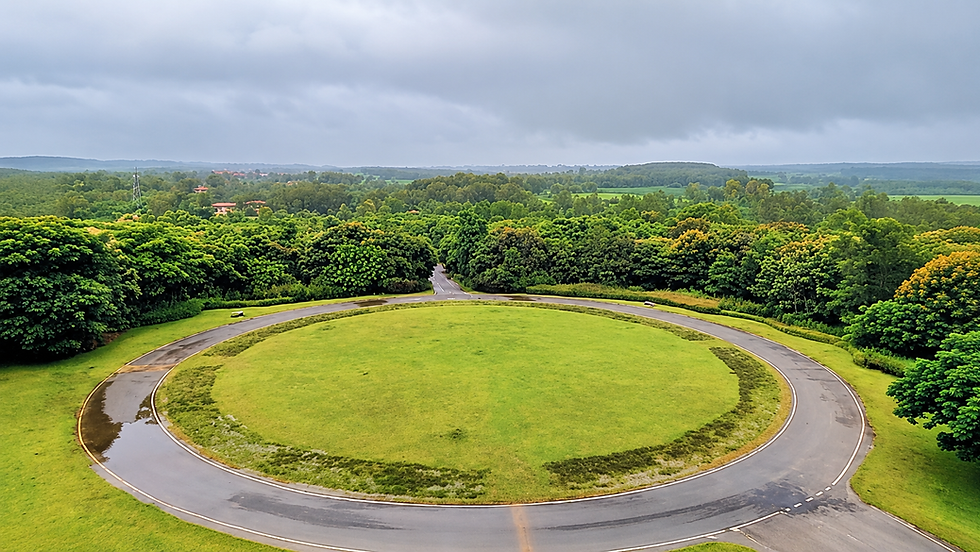

Planting ultra-dense, fast growing native trees in tiny, unused city corners. Maximizes limited city space—such as balconies, rooftops, or small yards. Ideal for urban areas and degraded land, providing quick and lasting ecological impact.
Methods:
-
Miyawaki method
-
Edible Forest Gardening
-
Vertical Gardening & Hydroponics
High-Density Planting/ Urban Forestry
Create a natural healing for Mind, Body & Soul
Cultivating healing herbs like Tulsi and Aloe Vera into small backyards, terrace gardens. Healing garden brings the power of nature and the wisdom of science together in a powerful restorative combination.